
led large mirror
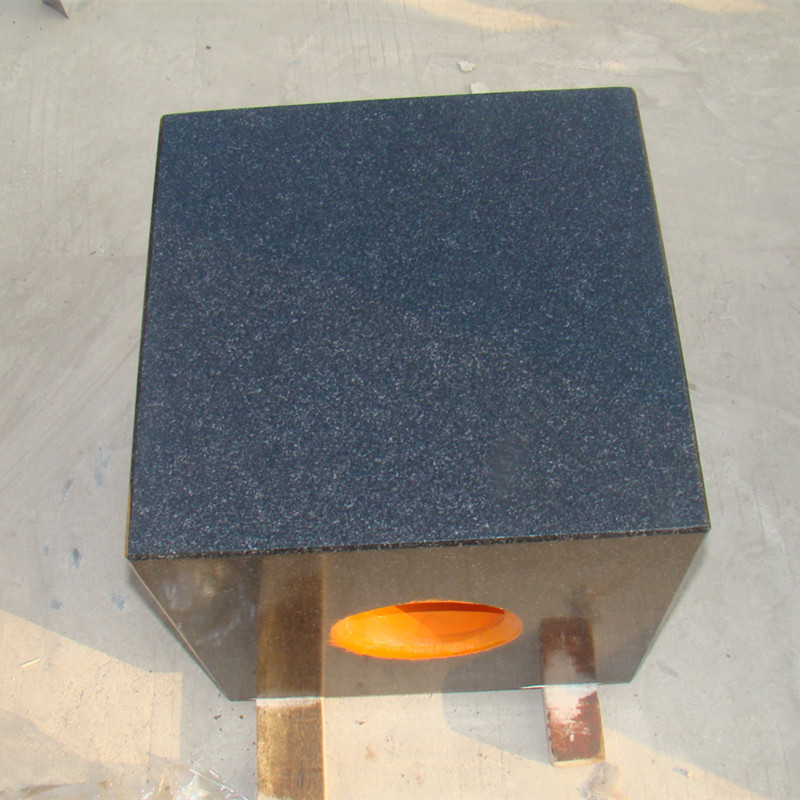
The Importance of Surface Plates Precision Tools in Manufacturing and Engineering In the realm of manufacturing and engineering, precision is paramount. One of the key tools that ensure accuracy and reliability in measurement is the surface plate. A surface plate is a flat, stable, and rigid platform used in various applications, including inspection, tooling, and assembly. The role of a surface plate in the manufacturing environment cannot be overstated, as it serves as the foundation upon which measurements are made and components are aligned. Types of Surface Plates Surface plates come in various materials, each suited for specific applications. The most common materials include granite, cast iron, and stainless steel. Granite surface plates are widely favored due to their durability, resistance to wear, and excellent stability. They are less susceptible to thermal expansion, making them ideal for precision measurements. Cast iron plates, known for their strength and rigidity, are often used in environments where heavy machinery is involved. Meanwhile, stainless steel plates are resistant to corrosion, making them suitable for applications in chemically aggressive environments. Applications of Surface Plates Surface plates are crucial in several applications. In inspection and quality control, they provide a flat reference surface against which measurements can be taken. For instance, when measuring the dimensions of a machined part, placing the component on a surface plate allows for accurate readings using calipers, micrometers, or height gauges. This is essential for maintaining the required tolerances in production, ensuring that parts fit together correctly in assemblies. Moreover, surface plates are instrumental in gauge setting and fixture creation. They allow engineers and technicians to set up accurate jigs and fixtures for repetitive machining processes. By providing a flat reference, surface plates help ensure that parts are consistently oriented, reducing errors and increasing efficiency in manufacturing operations. surface plate used for Maintaining Surface Plates To fully utilize the advantages of surface plates, proper maintenance is crucial. Regular cleaning is essential to prevent the accumulation of dirt, oils, and debris, which can affect measurement accuracy. It is also important to ensure that the plates are kept free from damage such as chips or scratches, as these imperfections can compromise their flatness. Proper storage and handling are vital; surface plates should be stored in a clean environment, ideally in a dedicated space free from vibration and heavy foot traffic. Advancements in Surface Plates With advancements in technology, surface plates have seen improvements in design and functionality. Digital measuring systems and coordinate measuring machines (CMMs) are increasingly being integrated with traditional surface plates, allowing for more sophisticated inspection techniques. These modern systems enhance the capabilities of surface plates, making them not only a reference point but also an integral part of automated measurement processes. Conclusion In summary, surface plates are essential tools that support precision and accuracy in manufacturing and engineering. Their role in inspection, tooling, and assembly processes cannot be underestimated. As materials and technologies evolve, the effectiveness and applications of surface plates will continue to expand. Manufacturers and engineers who understand the importance of these fundamental tools are better equipped to produce high-quality products that meet strict standards of excellence. Whether in a small workshop or a large production facility, the significance of the surface plate as a reliable platform for precision work remains steadfast in the pursuit of quality and accuracy.
about
led large mirror
The Importance of 1 Track Tie Downs in Railway Safety In the intricate and complex world of railway engineering, safety is paramount, and one seemingly small yet critical component that plays a significant role in this is the 1 track tie down. These humble fixtures, often overlooked, are the unsung heroes ensuring the stability and integrity of the rail network. Track ties, also known as sleepers, are the foundational elements that hold the rails in place, providing a solid base for the train wheels to run on. The term '1 ' in this context refers to the standard gauge width between the two rails, which is typically 4 feet 8.5 inches or approximately 1.435 meters, representing about 1 of the distance covered by a train wheel in one rotation. This standardized dimension is crucial for maintaining consistent track alignment and ensuring smooth train movement. Track tie downs, however, go beyond mere gauge maintenance. They anchor the ties to the ballast, the layer of stones beneath the tracks that distributes the load from the tracks and trains to the ground. The 1 tie downs are designed to withstand the immense forces exerted by the passing trains, resisting lateral movement and preventing the tracks from shifting or buckling under pressure. During high-speed operations or in extreme weather conditions, the stability of the tracks becomes even more critical. The 1 track tie downs act as the first line of defense against potential derailments, ensuring that the tracks remain securely in position The 1 track tie downs act as the first line of defense against potential derailments, ensuring that the tracks remain securely in position The 1 track tie downs act as the first line of defense against potential derailments, ensuring that the tracks remain securely in position The 1 track tie downs act as the first line of defense against potential derailments, ensuring that the tracks remain securely in position l track tie downs . They also play a vital role in absorbing and dissipating the vibrations caused by train movements, thereby reducing wear and tear on both the tracks and the infrastructure. Moreover, these tie downs facilitate regular maintenance and repairs. With their secure hold, they allow for easy replacement or adjustment of individual ties without disrupting the entire track system. This is particularly important in busy railway networks where minimal downtime is crucial. Innovations in 1 track tie downs have seen the introduction of materials like concrete and composite ties, offering increased durability and resistance to corrosion compared to traditional wooden ties. These advancements not only enhance safety but also contribute to the sustainability of the railway system by reducing the need for frequent replacements. In conclusion, the 1 track tie downs might be a small part of the vast railway infrastructure, but their role in ensuring safety, stability, and efficiency cannot be overstated. They embody the principle that in engineering, it's often the smallest details that make the biggest difference. As we continue to push the boundaries of speed and capacity in railway transportation, the importance of these humble tie downs will only continue to grow.
-

High quality industrial productsagement

High quality industrial products
View Details -

Meet the diverse needs of customers

Meet the diverse needs of customers
View Details -

Strict quality control

Strict quality control
View Details -

Top raw materials

Top raw materials
View Details -

Trusted supplier

Trusted supplier
View Details
Our application

news and information
Versatile 3D Welding Table for Precision Fabrication and Efficient Workflow Solutions
The Advantages of a 3D Welding Table in Modern Fabrication In today’s fast-paced manufacturing envir
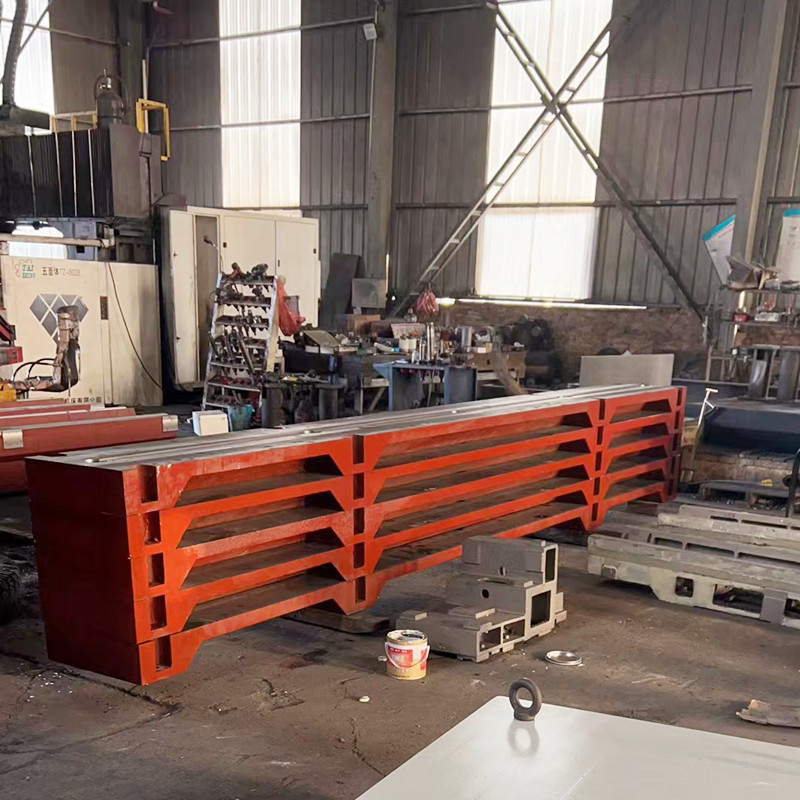
welding table workbench
The Essential Guide to Welding Tables and Workbenches Welding tables and workbenches are vital tools
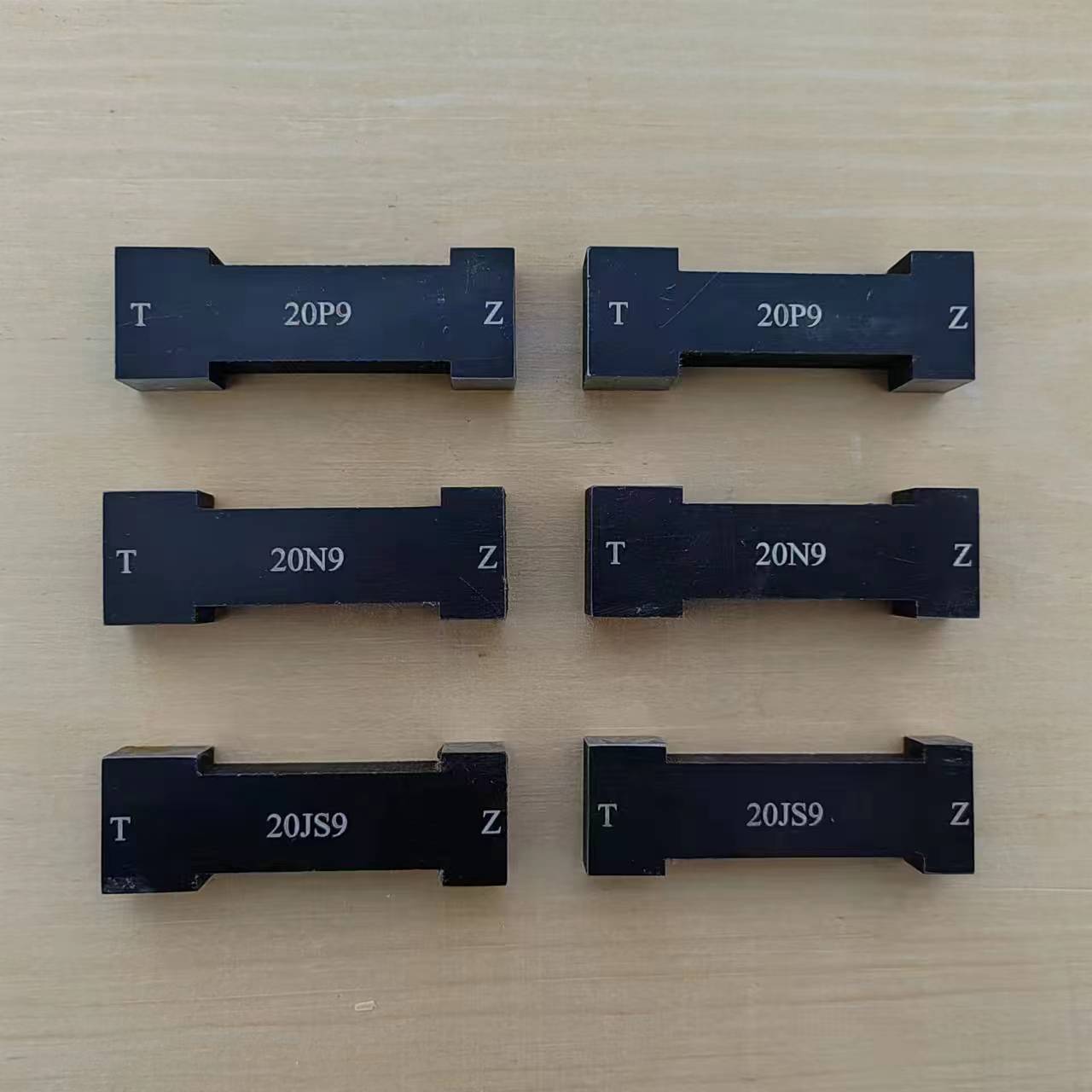
Various Control Valve Types and Their Industrial Uses Explained
Types of Control Valves and Their Applications Control valves are essential components in various in
 English